Introduction
A single punch from Mike Tyson in his prime could generate over 1,600 pounds of force, enough to shatter bones and end fights in seconds. Boxing stands as the purest distillation of combat within martial arts, where two fighters meet in a squared circle under strict rules that test speed, power, and endurance. This sport has evolved from bare-knuckle brawls in 18th-century England to a global phenomenon broadcast to billions, shaping heroes and villains alike in the public eye. Yet beneath the spectacle lies a discipline demanding years of grueling training and mental fortitude.
Fighters enter the ring not just for glory or purses reaching hundreds of millions, but to conquer fear and push human limits. Sporting events like the Olympics and heavyweight title bouts draw crowds that rival soccer finals, proving boxing's enduring grip on sports culture. This article breaks down the essentials: from the foundational techniques that define martial arts prowess to the rigorous training regimens elite fighters follow. Readers gain insights into competition formats, legendary rivalries, and practical advice for aspiring boxers. Whether you seek to understand professional bouts or start your own journey in this demanding sport, the structure ahead equips you with comprehensive knowledge. Discover how boxing blends art, science, and raw athleticism into one of humanity's oldest contests.
Check out this aviator game all guide for another adrenaline-fueled pursuit that mirrors the high-stakes thrill of boxing matches.
Boxing's appeal spans amateurs shadowboxing in gyms to pros defending belts in Las Vegas arenas. Training methods draw from martial arts traditions worldwide, incorporating footwork from fencing and power from weightlifting. Fighters like Muhammad Ali redefined the sport through charisma and skill, influencing generations. This guide covers history, rules, preparation, and the biggest sporting events, offering value for fans, participants, and analysts alike.
History and Evolution of Boxing
Origins in Ancient Martial Arts
Boxing traces roots to ancient Sumeria around 3000 BCE, where fist-fighting appears in relief carvings. Egyptians refined it with padded gloves, while Greeks elevated it to Olympic status in 688 BCE. These early forms blended martial arts with ritual combat, emphasizing strikes over grappling. Roman adoption introduced metal-studded cestus gloves, turning bouts deadly.
Modern Codification as a Sport
England's bare-knuckle era peaked with Jack Broughton’s 1743 rules, banning eye-gouging and holds. The Marquess of Queensberry rules in 1867 standardized gloves and three-minute rounds, birthing contemporary boxing. This shift positioned it firmly among regulated sports, attracting nobility and workers alike.
Global Spread and Key Milestones
America embraced boxing in the 19th century, with John L. Sullivan as the last bare-knuckle heavyweight champion. The 20th century saw racial barriers break via Jack Johnson in 1908, followed by Joe Louis’s 25 defenses. Today, sanctioning bodies like WBC and IBF govern divisions, fueling international sporting events.
Rules and Fundamentals of Boxing
The Ring and Basic Equipment
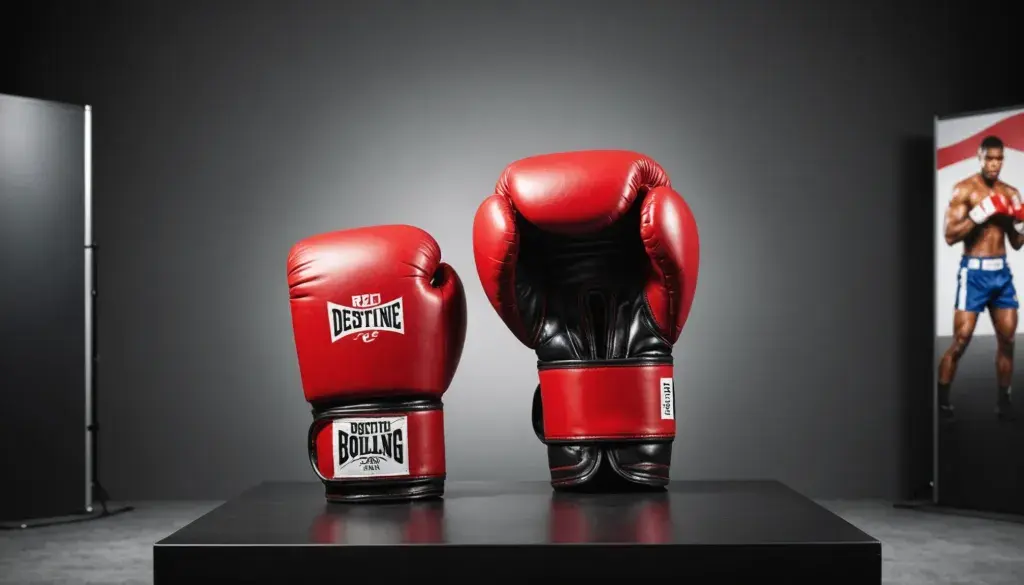
A standard ring measures 20 feet square, with ropes enclosing canvas flooring. Fighters wear 8-10 ounce gloves, mouthguards, and groin protectors. Headgear appears in amateur bouts, while pros fight bareheaded to heighten drama.
- Gloves: Layered horsehair or foam for hand safety.
- Shoes: Lightweight, high-ankle for traction.
- Trunks: Short, padded at waist for mobility.
Scoring and Victory Conditions
Judges score rounds on a 10-point must system, awarding 10-9 for the winner. Knockouts end fights via 10-count failure to rise. Technical decisions arise from fouls or doctor stops. Points deductions punish low blows or holding.
Fouls and Referee Role
Referees enforce rules, breaking clinches and issuing warnings. Common fouls include rabbit punches and hitting below the belt. Three fouls lead to disqualification, preserving fighter safety in this contact sport.
Training Regimens for Aspiring Fighters
Building Endurance and Conditioning
Fighters run 5-10 miles daily, mixing sprints with steady paces to mimic round intensity. Jump rope builds calf strength and rhythm, essential for footwork. Circuit training alternates heavy bag work with shadowboxing for sustained output.
Technique Drills and Sparring
Mitt work sharpens combinations: jab-cross-hook. Sparring sessions, 30-50% intensity early, simulate fight pressure. Coaches correct stance—hands high, chin tucked—from martial arts fundamentals.
- Heavy bag: Power punches.
- Speed bag: Timing and shoulders.
- Double-end bag: Reflexes.
Nutrition and Recovery Strategies
Lean proteins, complex carbs fuel training; fighters cut weight strategically pre-fight. Ice baths and massage aid recovery, preventing overuse injuries common in high-volume sports.
Mental Preparation Techniques
Visualization rehearses knockouts; meditation curbs pre-fight nerves. Fighters study opponents' tapes, adapting strategies mid-bout like chess masters in gloves.
Types of Boxing Competitions and Sporting Events
Amateur vs. Professional Boxing
Amateurs compete in three rounds, headgear mandatory, for Olympic medals. Pros fight up to 12 rounds for purses and belts, with knockouts more frequent sans protection.
Major Tournaments and Championships
The Olympics showcase national squads every four years. Pro superfights like Mayweather-Pacquiao draw 4.6 million pay-per-view buys. Weight classes from flyweight (112 lbs) to heavyweight (200+ lbs) ensure fair matchups.
Weight Classes and Divisions
Seventeen pro divisions prevent mismatches. Fighters rehydrate post-weigh-in, peaking at fight time. Upsets occur when smaller, faster boxers outmaneuver giants.
Iconic Fighters and Their Legacies
Heavyweight Legends
Muhammad Ali’s rope-a-dope felled George Foreman in 1974. Tyson’s ferocity yielded a 50-6 record, marked by early knockouts.
Modern Stars Across Divisions
Floyd Mayweather’s 50-0 undefeated streak defined defensive mastery. Canelo Alvarez unifies titles, blending Mexican power with precision.
Influence on Martial Arts and Sports Culture
Boxing informs MMA, where strikers dominate early rounds. Its ethos—discipline amid violence—inspires fitness trends worldwide.
Health Risks and Safety in Boxing
Common Injuries and Prevention
Cuts, fractures plague fighters; neck strengthening counters whiplash. Annual brain scans detect early CTE signs.
Long-Term Effects on Fighters
Repeated head trauma links to dementia pugilistica. Modern protocols mandate rest post-concussion.
Regulatory Measures and Reforms
Commissions enforce drug tests; ABC guidelines standardize medicals. Women’s boxing gains traction with safer amateur pipelines.
Frequently Asked Questions
How long does typical boxing training last before a fight?
Fighters ramp up over 8-12 weeks, training 4-6 hours daily six days a week. Early phases focus on conditioning, tapering to sharpening in the final two weeks.
What distinguishes boxing from other martial arts?
Boxing limits strikes to fists above the waist, excluding kicks or grapples. This focus hones punching precision and evasion unique among stand-up disciplines.
Can beginners start boxing without prior sports experience?
Yes, gyms teach fundamentals from day one. Basic fitness helps, but proper coaching prevents injury regardless of background.
How do referees decide a knockout?
A fighter must fail a 10-count after going down, unable to respond intelligently. The ref assesses stability before waving off.
What gear is essential for home boxing training?
Gloves, hand wraps, heavy bag, and jump rope suffice. Add mirrors for form checks and apps for guided drills.
Is boxing a viable professional career path?
For the top 1%, yes, with purses from $10,000 to millions. Most supplement with coaching or endorsements, given short career spans averaging 15-20 fights.